Community Partners
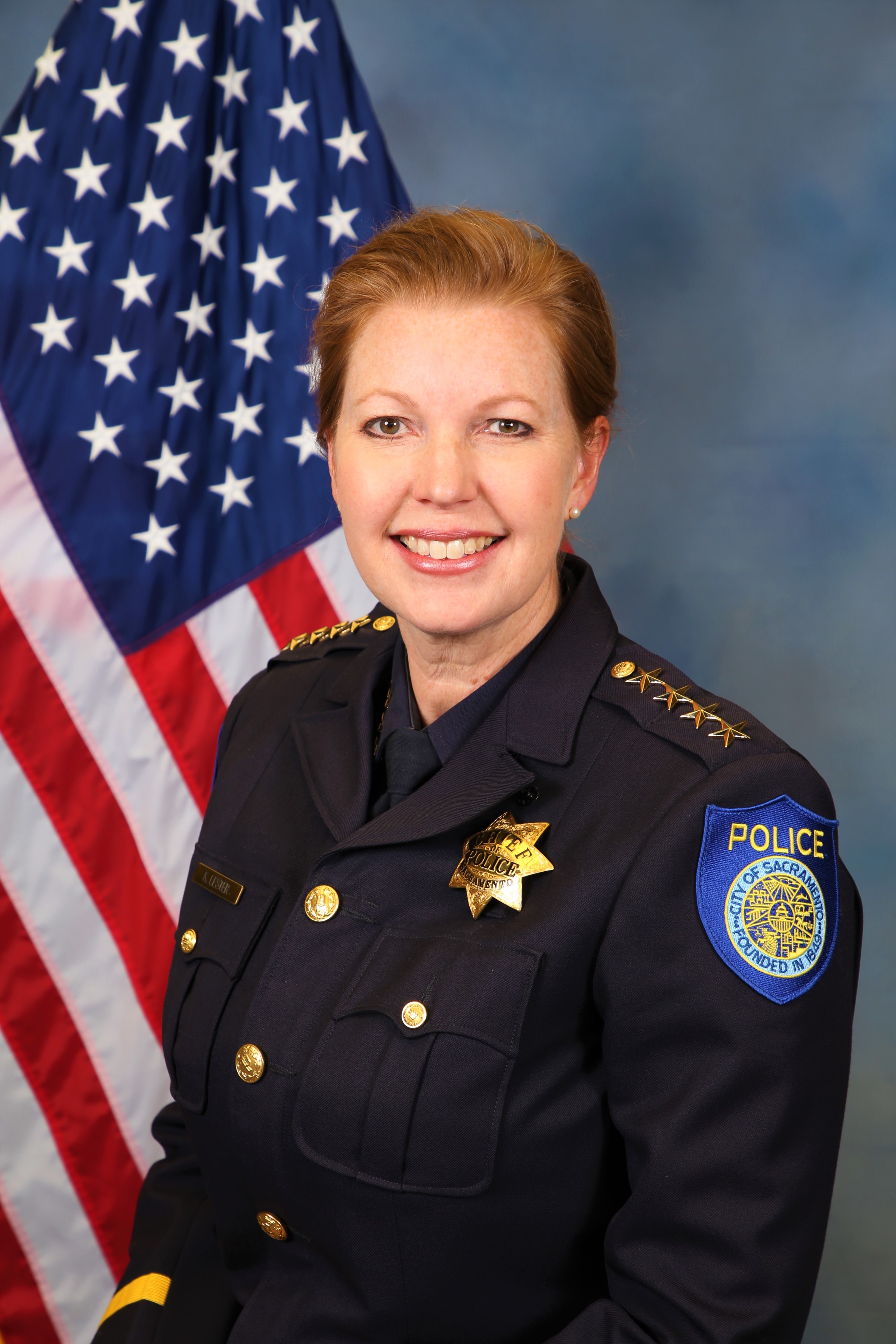
Kathy Lester
Chief of Police for the City of Sacremento
Chief Lester played an instrumental role in initiating this project by reaching out to Principal Investigator, Farshid Vahedifard, regarding his work on cascading hazards and encouraging him to consider the wild-fire related hazards occurring in Northern California.
Read More
She helped to identify Lake County as the research site and has been a valuable member of the team throughout the project. For more about Kathy, see; https://www.cityofsacramento.gov/police/your-sacpd/katherine-lester.
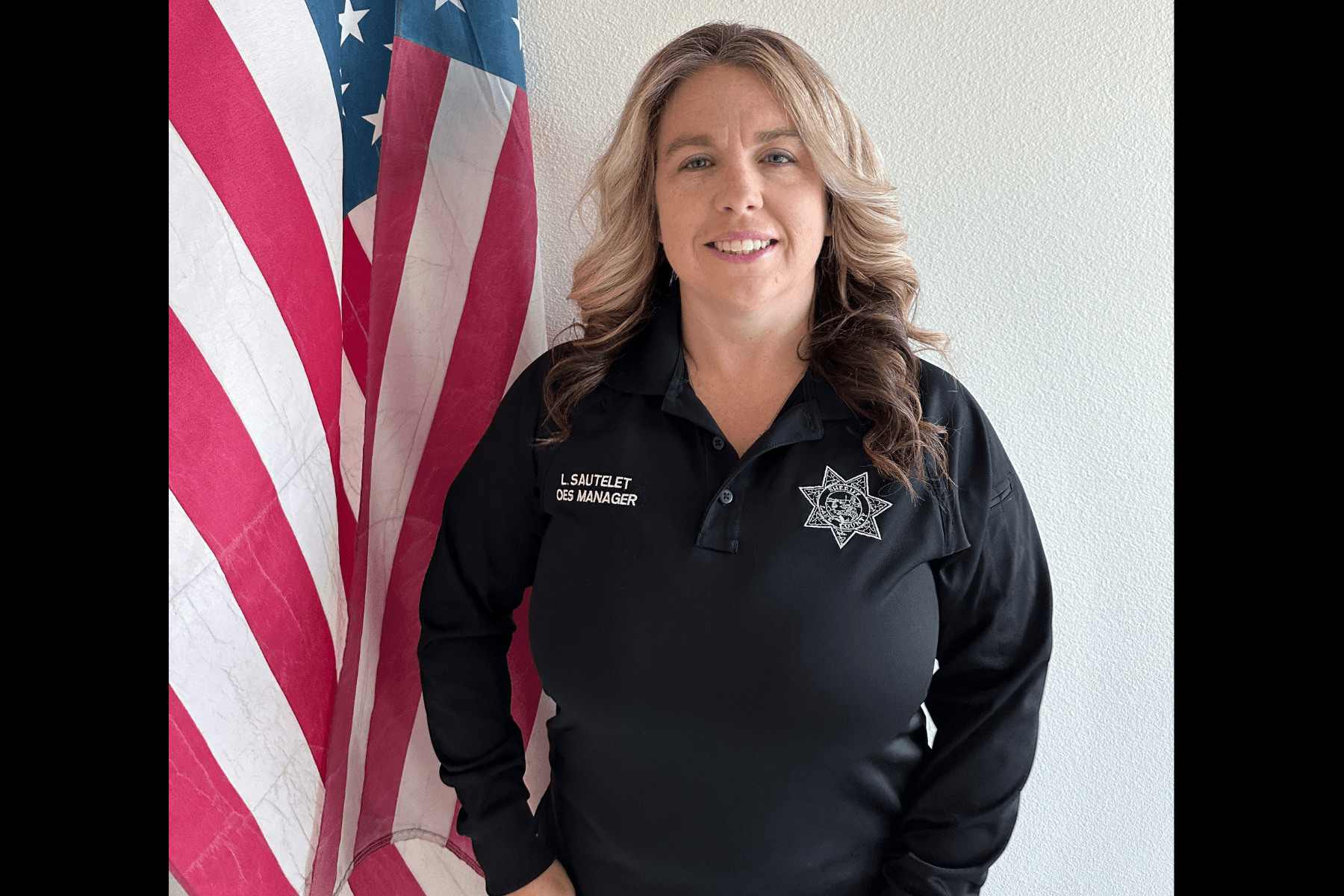
Leah Sautelet
Emergency Services Manager
In her role as Emergency Services Manager, Leah is responsible for the day-to-day emergency management activities for the County and strives to help the Office of Emergency Services meet its mission of building community resilience.
Read More
Leah has been an invaluable collaborator on this project, providing critical input on the research design, interpreting our findings, and helping to coordinate with other community partners. For more about Leah, see: https://www.lakesheriff.com/1351/Administration. You can also read about Leah’s role in these recent articles in Government Technology and the Record-Bee.

Dale Carnathan
Former Emergency Services Manager
As the former Emergency Services Manager of Lake County, Dale was involved in the design and implementation of the research project.
Read More
Coming soon.
Research Team

Farshid Vahedifard, PhD
Professor of Civil and Environmental Engineering at Tufts University
Dr. Vahedifard has over 15 years of academic and industry experience in civil and geotechnical engineering. His research efforts are focused in the areas where civil and geotechnical engineering intersect with the grand challenges of Climate Change, Resilient Infrastructure, and Environmental Justice.
Read More
He has been studying the resilience and adaptation of critical infrastructure (e.g., levees, dams) to extreme events (e.g., drought, flooding, wildfires, compound and cascading hazards) in a changing climate, with a particular focus on improving conditions for disadvantaged communities. Farshid deeply values multidisciplinary collaboration and is the lead investigator for this project. For more information about Farshid, see: https://facultyprofiles.tufts.edu/farshid-vahedifard.
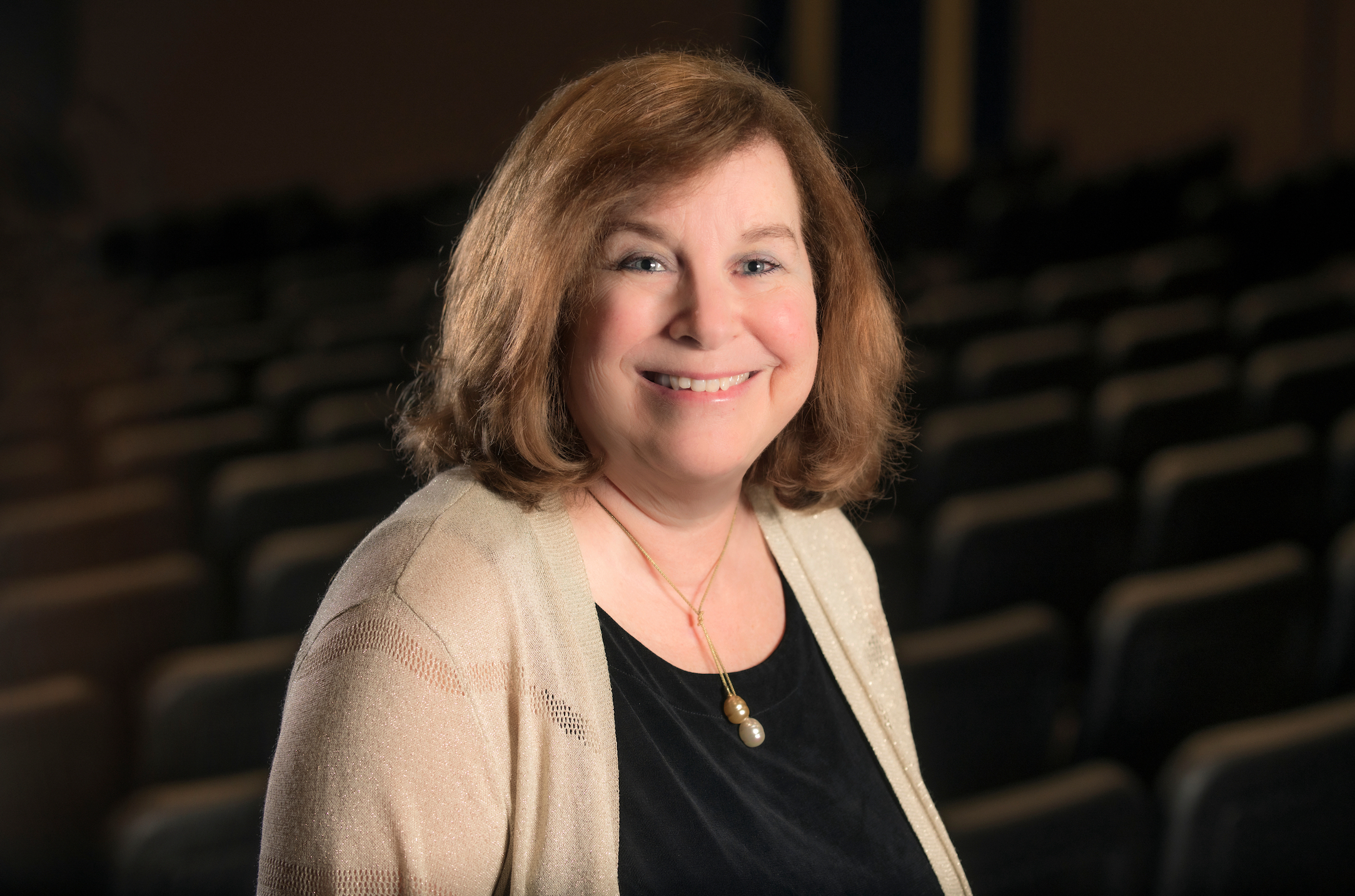
Roxane Cohen Silver, PhD
Distinguished Professor in the Department of Psychological Science, the Department of Medicine, and the School of Population and Public Health at the University of California, Irvine
Dr. Silver is an internationally recognized stress and coping researcher who has spent over four decades studying acute and long-term psychological and physical reactions to stressful life experiences, including personal traumas such as loss, physical disability, and childhood abuse, and larger collective events such as terror attacks, infectious disease outbreaks, and natural disasters across the world.
Read More
Roxane has been involved in this project from the beginning, and is one of the lead investigators researching the impacts of wildfire exposure on psychological well being. For more information about Roxane, see: https://faculty.sites.uci.edu/rsilver/.
Amir AghaKouchak, PhD
Professor of Civil Engineering, Environmental Engineering, and Earth System Science at University of California, Irvine
Dr. AghaKouchak’s research focuses include hydrology and water resources, climate extremes, remote sensing, and stochastic modeling. In relation to this project, Amir’s team has investigated how the loss of vegetation from wildfires can contribute to quicker transitions between flooding and drought, and how heatwaves can amplify the size and frequency of fires.
Read More
Amir’s team has also contributed to a centralized fire dataset, called the Fire-Occurrence Database (FOD), which compiles various fire-related attributes, including the burned area and cause (e.g., lightning, arson, power lines, fireworks), allowing researchers to analyze patterns across different regions. Using this dataset to explore fire patterns in Lake County and surrounding areas, Amir’s team has identified trends such as an increase in the frequency of human-caused fires. For more about Amir, see: https://amir.eng.uci.edu/index.php.
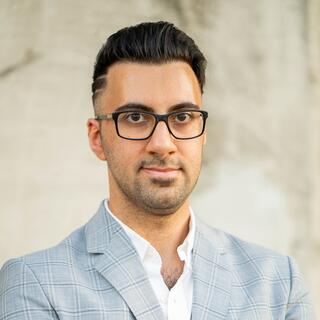
Alireza Ermagun, PhD
Assistant Professor in the Department of Geography and Geoinformation Science at George Mason University
Dr. Ermagun directs the Mobility Observatory and Data Analytics Lab. His science-based, community-centered contributions to transdisciplinary dialogues have brought engineering, planning, and geoscience perspectives to bear in multifaceted research initiatives.
Read More
These initiatives are informed by questions related to climate change, community adaptation, environmental justice, and urban resilience. For this project, Alireza and his team have been focused on modeling access and barriers to emergency evacuation shelters for Lake County residents. For more about Alireza, see: https://alirezaermagun.com/.
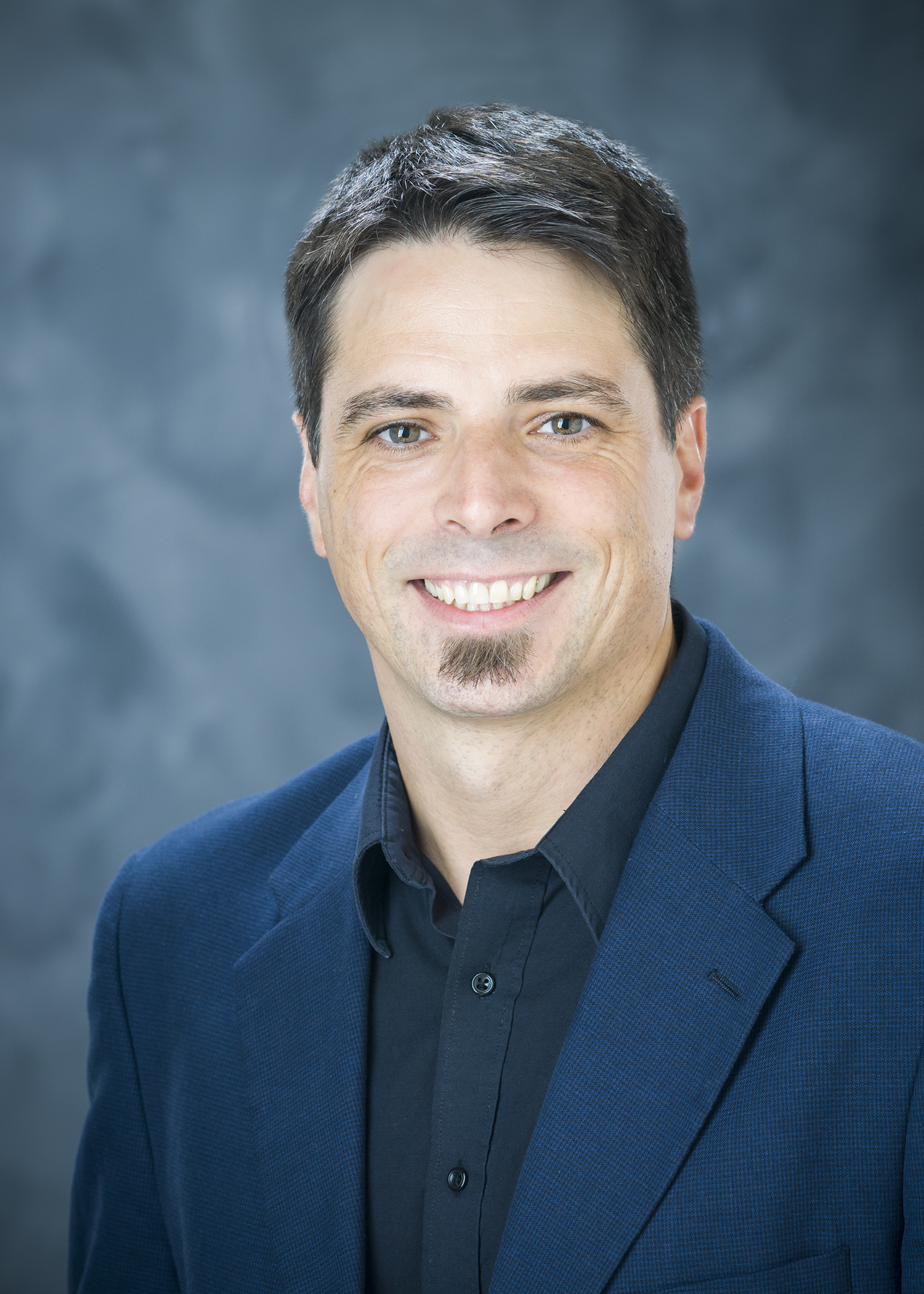
Diego Thompson, PhD
Associate Professor in the Department of Sociology at Mississippi State University
Dr. Thompson’s teaching and research interests are in rural and environmental sociology. His research has focused on immigration and social disparities in agri-food systems, and community perceptions and adaptations to agri-environmental challenges in the U.S. and Latin America.
Read More
For this project, Diego conducted focus groups with emergency managers, planners, and community members including seniors, low-income residents, Hispanic residents (including non-english speakers), and tribal groups to identify information gaps and behavioral responses related to wildfire preparedness among vulnerable groups in Lake County. For more information about Diego, see: https://www.sociology.msstate.edu/directory/dt1282.

Ben Leshchinsky, PhD
Professor of Geotechnical Engineering in the Oregon State University College of Forestry
Dr. Leshchinsky’s research focuses on evaluating landslide hazards and slope stability. Ben has been involved in this project since the beginning and is focused on understanding the lifecycle of wildfire impacts to identify periods of elevated vulnerability for cascading hazards and the timeline for ecosystem recovery.
Read More
In particular, his team has investigated the impacts of wildfires, such as how fire contributes to erosion, debris flows, and landslide susceptibility in Lake County. For more about Ben, see: https://directory.forestry.oregonstate.edu/people/leshchinsky-ben.
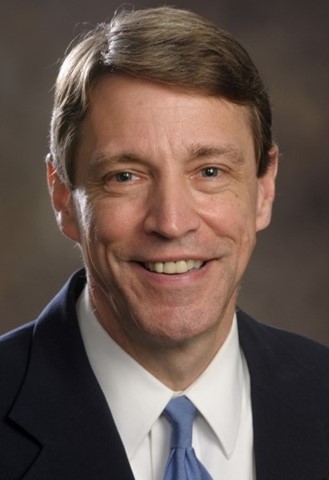
Timothy D. Stark, PhD
Professor of Civil and Environmental Engineering at the University of Illinois at Urbana-Champaign
Dr. Stark’s expertise is in Geotechnical Engineering, and he has been conducting research and teaching on the stability of natural and manmade slopes, dams, embankments, and earth structures for over 30 years.
Read More
For this project, he is studying the impact of wildfires on the stability of natural slopes with ongoing weather monitoring in burned and unburned regions. To learn more about this work, visit our Field Monitoring page. For more about Tim, see: https://cee.illinois.edu/directory/profile/tstark.

Tirtha Banerjee, PhD
Associate Professor at the Department of Civil and Environmental Engineering, University of California, Irvine
Dr. Banerjee leads the Boundary Layers and Turbulence (BLT) Lab, leading research on wildfires, environmental flows, and biosphere-atmosphere interaction using a range of theoretical, numerical, and experimental techniques.
Read More
Tirtha also serves on the Science Advisory Panel of the Fire and Forest Resilience Task Force in the State of California. For this project, Tirtha’s team has focused on mapping Wildland-Urban Interfaces (WUI)—identifying wildfire ignition points and high-risk areas where wildfires are more likely to impact human communities. Using this updated WUI map, the team was able to identify previously overlooked low-density buildings at risk of fire in Lake County, providing a clearer picture of fire risk zones. For more about Tirtha, see: https://faculty.sites.uci.edu/banerjeelab/tirtha-banerjee-ph-d/.
Katya Schloesser
Education and Outreach Associate at the Center for Education Engagement, and Evaluation
Education and Outreach Associate at the Center for Education Engagement, and Evaluation Katya is a passionate educator who seeks to support K-12 educators in teaching research-based, hands-on, engaging climate science curriculum.
Read More
Katya has been involved in this project since its inception and developed the Lake County Cascading Hazards curriculum unit for grades 6-10, available here: https://ceee.colorado.edu/resources/lake-county-cascading-hazards-unit. For more about Katya, see: https://ceee.colorado.edu/people/katya-schloesser.
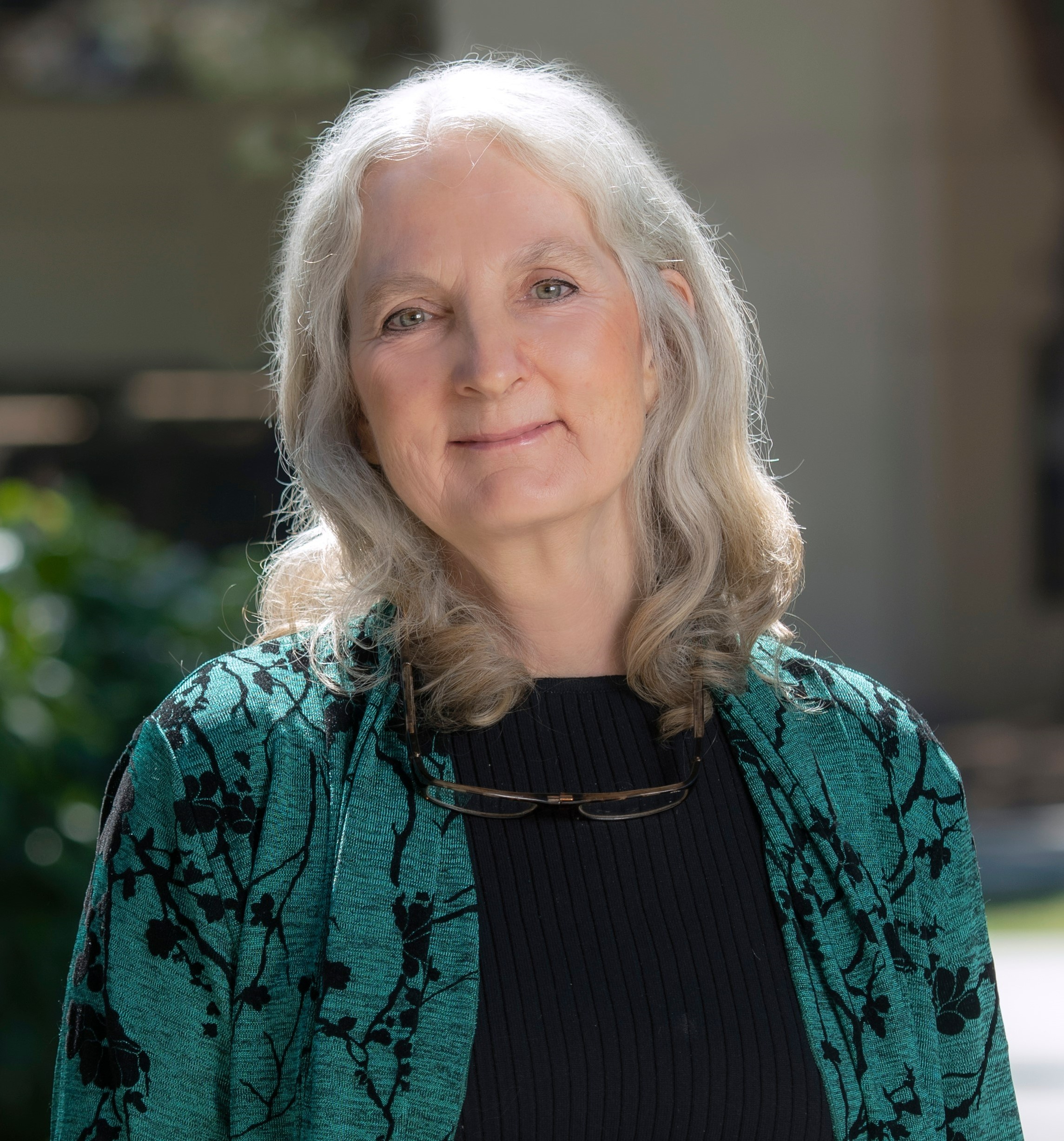
E. Alison Holman, PhD, FNP
Professor of Nursing and Psychological Science at University of California, Irvine
Dr. Holman’s research focuses on early trauma-related processes (e.g., acute stress, media use, distorted time perception) that help to explain how psychological trauma affects subsequent mental and physical health.
Read More
She’s led several community-based studies of coping with trauma (e.g., firestorms, terrorism), and has helped to pioneer new research approaches, including rapid response to assess acute stress in real time and internet-based methods with representative samples that allow participants’ anonymity in responding to sensitive questions. Dr. Holman joined the project in 2023, and will be leading new initiatives focused on the impacts of climate change on mental and physical health. For more about Alison, See: https://faculty.uci.edu/profile/?facultyId=5441.
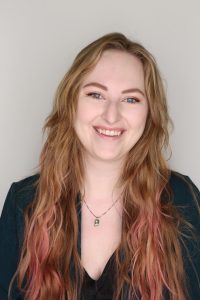
Kayley Estes
Postdoctoral scholar at University of California, Irvine
Dr. Estes researches the impacts of collective traumas, including different types of natural disasters, mass violence events, and political unrest, with a focus on media exposure (both traditional news and social media) and risk perceptions before, during, and after these tragic events.
Read More
Kayley tries to understand which factors are associated with perceptions of risk after a tragedy and if the risk perceptions are linked to certain downstream mental health symptoms and behaviors. For this project, Kayley led the development and implementation of the survey on wildfire exposure, evacuation experiences, and related mental and physical health consequences. For more about Kayley, see: https://www.linkedin.com/in/kayley-estes-b093a2231/.
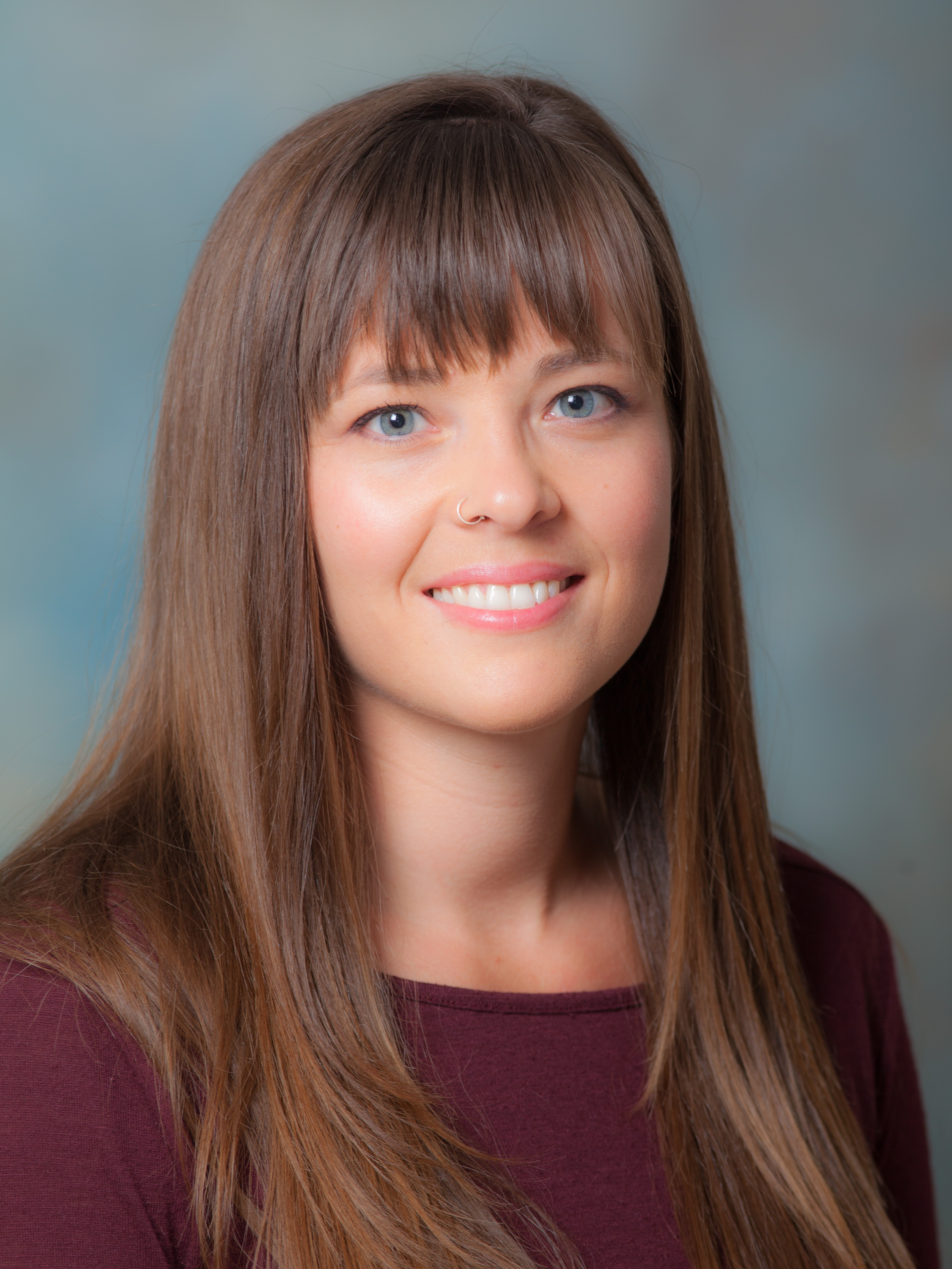
Quinn Conklin, PhD
Research Consultant and Community Liaison
Dr. Conklin grew up in Middletown, CA and completed her PhD in Psychology at University of California, Davis. She is currently a research consultant with UC Davis, Columbia University, and Tufts University, where her research focuses on links between psychological and physical health.
Read More
Quinn joined the project in 2024 and is involved in the development and interpretation of the project surveys, and is acting as a community liaison focused on gathering community input and communicating the research findings to Lake County residents. For more about Quinn, see: https://www.linkedin.com/in/quinn-conklin/.
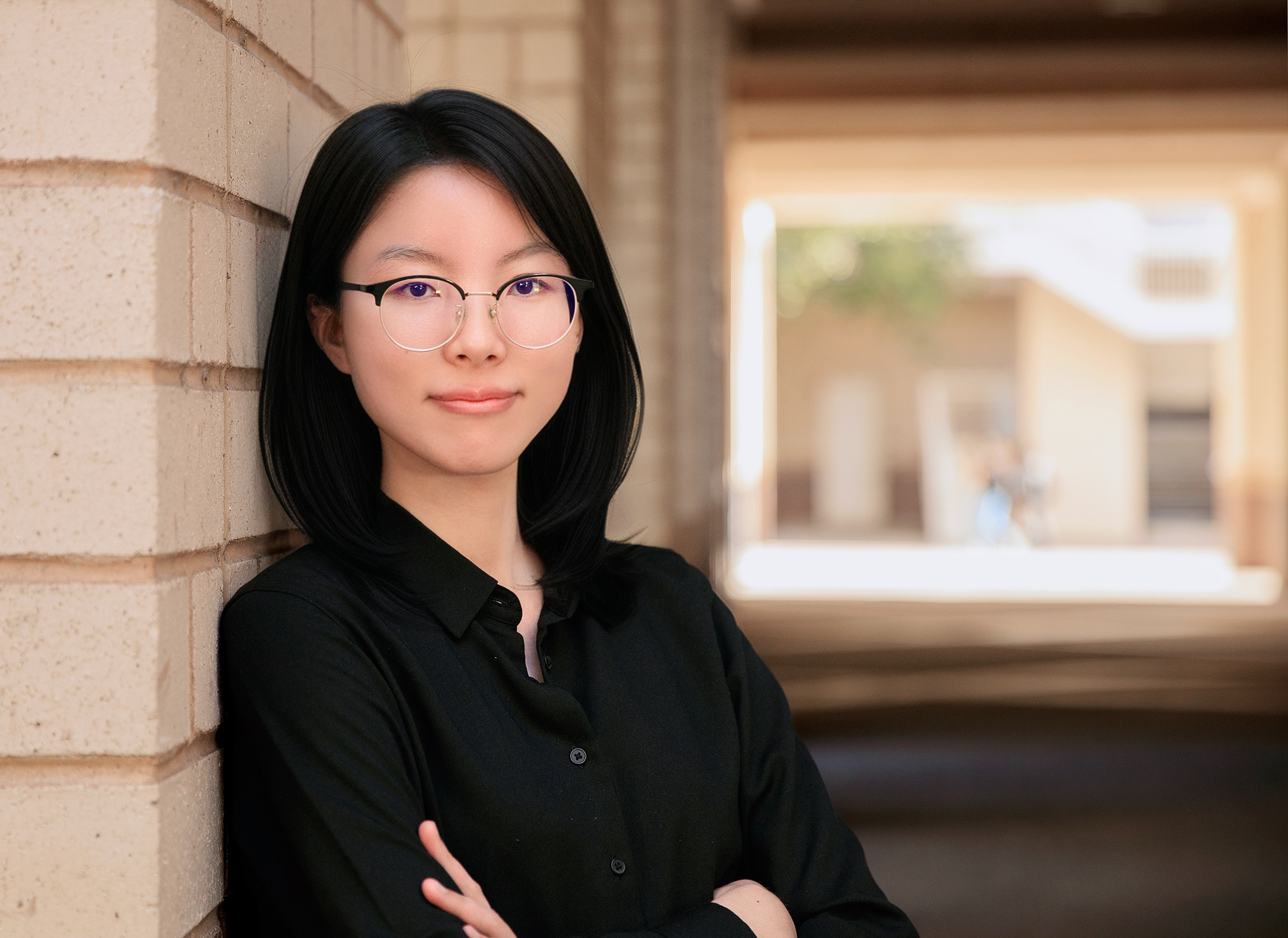
Tiffany Tao
PhD student at University of California, Irvine
Her research interests broadly revolve around how people cope under large-scale traumatic events. She is also passionate about doing applied research with direct implications for the community. Tiffany has been involved in this project since Fall 2023, and has been analyzing the survey data. For more about Tiffany, see: https://www.linkedin.com/in/tiffany-junchen-tao-933796118/.
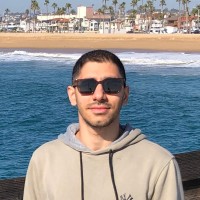
Amirali Asadian
PhD student in Geotechnical and Environmental Engineering at Tufts University
For this project, Amirali helped to update the Lake County Hazard Mitigation Plan by estimating the risk of damage for various projected earthquake and flooding scenarios, and recommending actions to prepare for these potential hazards.
Read More
Amirali has also been comparing trends in California wildfires compared to the broader United States—finding that California’s wildfire situation is becoming extreme at a faster rate than other parts of the country, with more severe fires happening more frequently and at higher elevations. For more about Amirali, see: https://www.linkedin.com/in/amirali-asadian/
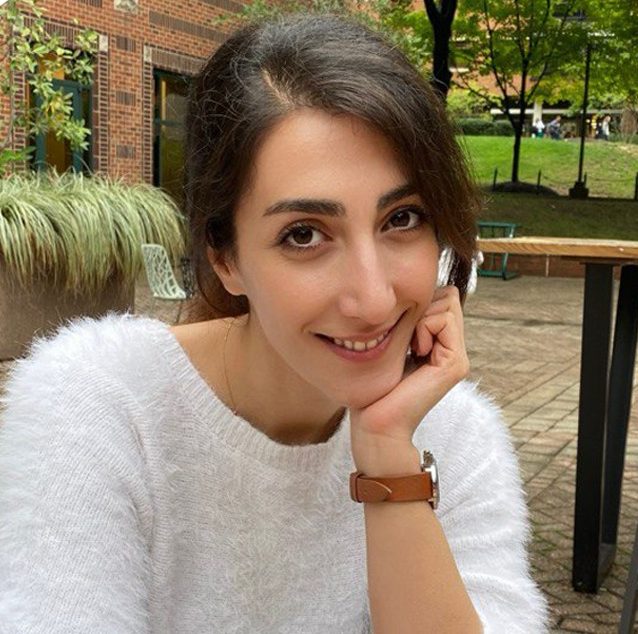
Fatemeh Janatabadi
PhD student of Earth Systems and Geoinformation Sciences at George Mason University
For this project, Fatemeh focuses on formulating a wildfire access-infused risk assessment method. Her research evaluates the disparity of access to shelters for disadvantaged communities in wildfire-prone areas by considering both physical mobility and the strategic placement of shelters.
Read More
The outcomes of Fatemeh’s work aim to incorporate shelter accessibility as a key factor in assessing community resilience. For more about Fatemeh, see: https://www.linkedin.com/in/fatemeh-janatabadi-160aab84/.
 Lake County Cascading Hazards